For the bigger picture and full context, make sure you read our main guide on How Do Dreams Work In The Brain, Scientifically?.
Ever woken up from a dream so real, so emotionally charged, that it sticks with you all day? Understanding what part of the brain controls dreams, and especially their vividness, helps us unravel the mysteries of our sleeping minds and how our brains process experiences. It's not one single "dream center" but rather a complex interplay of brain regions.
At a glance:
- Dreams aren't random firings; the limbic system (emotions) and visual cortex are highly active.
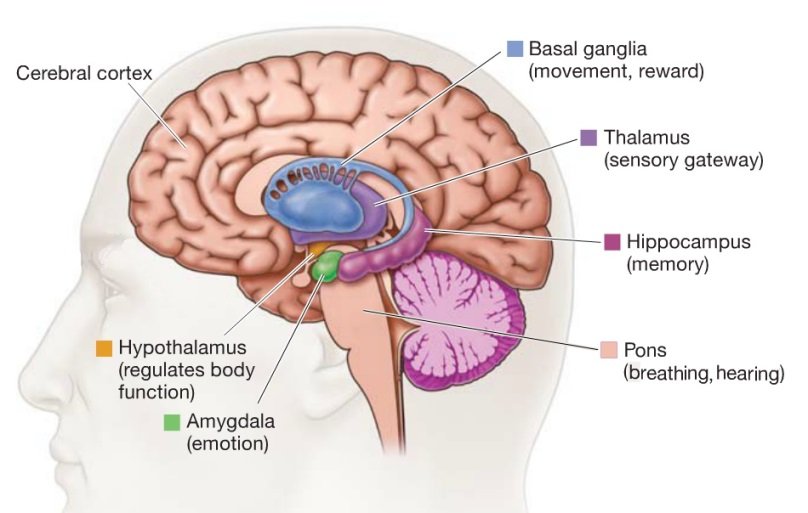
- The pons in the brainstem initiates REM sleep, the stage most associated with vivid dreams.
- A less active prefrontal cortex means logic takes a backseat, leading to bizarre dream scenarios.
- Damage to specific brain areas, like the parieto-occipito-temporal junction, can eliminate dreaming altogether.
- The hippocampus plays a key role in adding detail and context to dreams, drawing from memories to construct the dream narrative.
- Understanding dream disruptions can highlight underlying neurological issues.
The REM Sleep Connection: Priming the Dream Stage
While dreams can technically occur in any sleep stage, the most vivid and memorable ones overwhelmingly happen during Rapid Eye Movement (REM) sleep. What part of the brain controls dreams during this crucial phase? Think of REM sleep as the stage director, setting the scene for the rest of the brain to perform. A small region of cells in the brain stem, called the pons, initiates REM sleep. This switch flips on a cascade of neural activity that influences the intensity and characteristics of the dreams we experience. Understanding Dreams in the Brain provides a broader overview of the science behind this phenomenon.
Key Players in the Dream Production Team
Several brain regions contribute to the overall dream experience. They each play a crucial role.
- The Limbic System (Amygdala and Hippocampus): This dynamic duo is the engine of emotions and memory in dreams. The amygdala, responsible for processing emotions, is highly active during dreams, especially nightmares. The hippocampus, critical for memory formation, weaves past experiences into the dream narrative. Damage to the hippocampus can result in dreams that lack vivid detail and spatial context. Think of it this way: a dream without a hippocampus is like a movie without a setting or backstory.
- Visual Cortex: The visual cortex is busy generating the images we "see" in our dreams, even though our eyes are closed. Its activity explains the visual richness of most dreams – the landscapes, faces, and objects populating our nocturnal adventures.
- Prefrontal Cortex: The prefrontal cortex, responsible for logic, reasoning, and self-awareness, is relatively quiet during REM sleep. This explains why bizarre or illogical events often occur in dreams without raising any alarms. If you find yourself flying in a dream and accepting it without question, blame your temporarily subdued prefrontal cortex.
- Parieto-Occipito-Temporal Junction (PTO): The PTO is an association area integrating sensory information. Damage to this area can lead to a complete inability to dream. This highlights the importance of sensory integration in constructing the dream experience.
Decoding Dream Vividness: A Balancing Act
Dream vividness isn't just about which areas are active but how active they are and how they interact.
- Emotional Intensity: High amygdala activity typically correlates with more intense and memorable dreams, especially nightmares. Stress, trauma, or certain medications can amplify amygdala activity, leading to more frequent and disturbing nightmares.
- Memory Integration: A healthy hippocampus helps weave rich, detailed narratives by drawing on a wide range of memories. Factors that impair hippocampal function (e.g., sleep deprivation, alcohol consumption) can lead to less coherent and vivid dreams.
- Dopamine's Role: Researchers believe dreaming may be a dopaminergic process that occurs in limbic and frontal areas of the brain. The mesolimbic and mesocortical dopaminergic pathways are specifically implicated.
When Dream Control Goes Awry: Understanding Dream Disruptions
Disruptions in the neural circuitry of dreaming can manifest as various sleep disorders:
- Nightmares: Amygdala hyperactivation can be a key feature. Therapies targeting anxiety and stress reduction can help reduce nightmare frequency.
- REM Sleep Behavior Disorder (RBD): A breakdown of REM atonia (muscle paralysis) leads to individuals physically acting out their dreams. This is often linked to neurodegenerative diseases like Parkinson's disease.
- Narcolepsy: Affects the sleep-wake cycle and can cause vivid, dream-like hallucinations while awake (hypnagogic hallucinations).
Practical Playbook: Improving Dream Recall and Potential "Lucidity Training"
While we can't directly control what part of the brain controls dreams, we can take steps to improve dream recall and potentially increase the likelihood of lucid dreaming (awareness that you're dreaming).
Improving Dream Recall:
- Keep a Dream Journal: Immediately upon waking, jot down everything you remember, even if it seems fragmented.
- Set an Intention: Before falling asleep, tell yourself, "I will remember my dreams." This primes your mind for recall.
- Optimize Sleep Hygiene: Consistent sleep schedules, a dark and quiet bedroom, and avoiding stimulants before bed can improve sleep quality and dream recall.
- Consider a Gentle Alarm: Abrupt alarms can wipe away dream memories. A gradual wake-up sound may help.
Lucidity Training (Reality Testing): - Perform Reality Checks Regularly: Several times a day, ask yourself, "Am I dreaming?" and perform a simple test (e.g., try to push your finger through your palm). The goal is to make this a habit that carries over into your dreams.
- Look for Dream Signs: Identify recurring themes or elements in your dreams (e.g., a specific person, place, or object). Becoming aware of these "dream signs" can trigger lucidity.
- MILD (Mnemonic Induction of Lucid Dreams): Upon waking from a dream, rehearse the dream and focus on recognizing that you were dreaming. Then, visualize yourself re-entering the dream and becoming lucid.
Ethical Considerations: While fascinating, lucid dreaming should be approached with caution. Excessive focus on dream control could potentially blur the lines between reality and fantasy for some individuals.
Dream Research: Peering into the Sleeping Brain
Neuroscience is constantly evolving our understanding of dreams. Brain imaging techniques like fMRI (functional magnetic resonance imaging) allow researchers to observe brain activity during sleep, providing valuable insights into the neural processes underlying dream formation. Machine learning algorithms are even being used to decode dream content based on brain activity patterns.
Researchers face significant challenges, however, including:
- Reliance on Subjective Reports: Dreams are inherently personal experiences. Dream research relies heavily on verbal reports, which can be unreliable and subject to biases.
- Artificial Lab Environment: Sleeping in a sleep laboratory can alter sleep patterns and dream content.
- Technological Limitations: Current brain imaging techniques provide a global view of brain activity but struggle to pinpoint the precise neuronal populations involved in dream formation.
Quick Answers: Common Dream Questions
- Why do I forget my dreams so quickly? Dream memories are fragile. The prefrontal cortex, which plays a role in memory consolidation, is relatively inactive during REM sleep.
- Are nightmares a sign of mental illness? Not necessarily. Occasional nightmares are common, especially during times of stress. However, frequent and disturbing nightmares could indicate an underlying anxiety disorder or PTSD.
- Can I control my dreams? Some individuals are able to achieve lucid dreaming, where they become aware that they are dreaming and can exert some control over the dream narrative.
- What do my dreams mean? The meaning of dreams is subjective and open to interpretation. Some theories suggest that dreams reflect our subconscious thoughts, emotions, and experiences.
Actionable Close: Understanding Your Dreams
While pinpointing exactly what part of the brain controls dreams is an oversimplification, understanding the interplay of different brain regions offers valuable insights. By exploring what influences the emotional intensity, memory integration, and overall neural activity during sleep, we can begin decoding the language of our subconscious and ultimately foster better sleep and mental well-being.